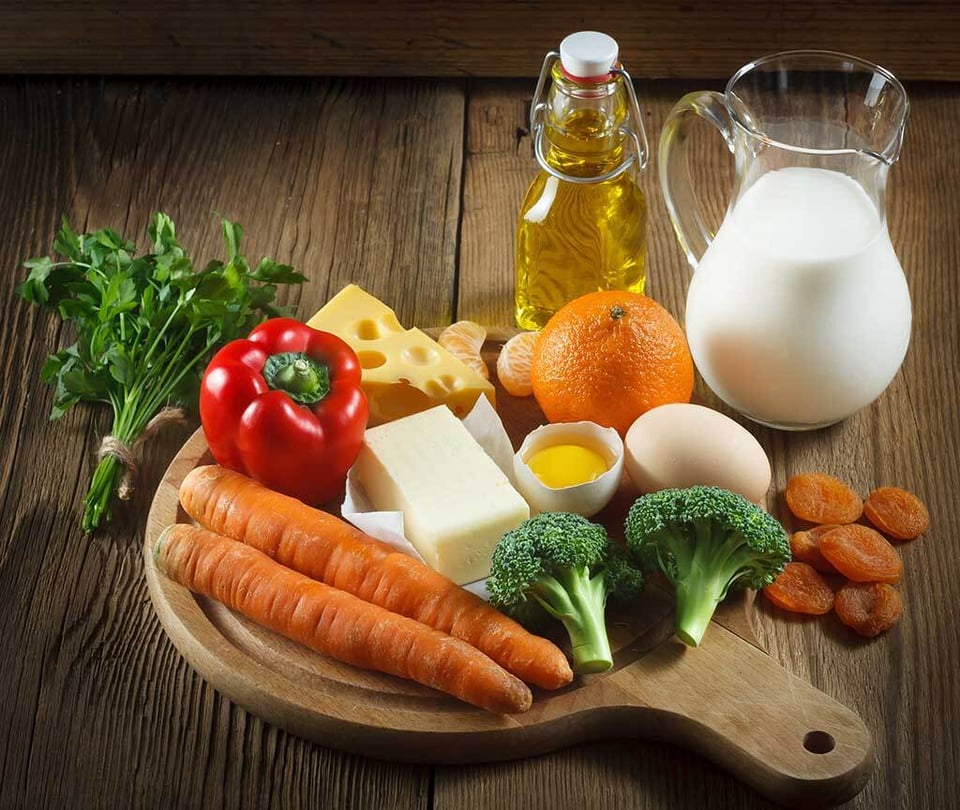
Did you know that what you eat has a direct impact on your eye health? As we age, it becomes more and more important to pay attention to the foods we consume, as they play an essential role in maintaining clear vision and overall health. Remember that older adults are at risk of macular degeneration, cataracts, glaucoma, and other vision issues. Uncorrected or untreated, these issues can result in limited sight, low vision, or even blindness. Luckily, some foods help with eye health that seniors can consume every day to slow the progression of these diseases. Below are our top favorite foods that improve seniors' vision.
Turkey
Turkey is rich in vitamin B6, which helps reduce inflammation of blood vessels. It also contains lutein and zeaxanthin, phytochemicals found in high levels in eye tissues. Turkey is believed to help protect against age-related macular degeneration (AMD), a leading cause of vision loss among Golden-age adults.
Carrots
High in antioxidants called beta-carotene, carrots are one of the most potent foods for improving vision. The carotenoids help protect against age-related macular degeneration (AMD), cataracts, and other eye diseases that cause blindness. Try to eat them raw or cook them into sauces or smoothies with other colorful vegetables for even more nutrition.
Spinach
Spinach is a rich source of vitamin A, which is imperative for proper vision development and maintenance. Eat it fresh, steamed, or lightly sautéed to preserve as many nutrients as possible. Spinach also contains lutein and zeaxanthin, two phytochemicals important to healthy vision.
Wheat Germ
With almost twice as much vitamin E as spinach, it's clear why wheat germ is often considered one of the best foods for seniors' vision. Wheat germ also contains B vitamins essential for eyesight, along with zinc and iron to prevent anemia. And, of course, antioxidants like lutein and zeaxanthin found in wheat germ can protect against macular degeneration (the most common cause of vision loss among older adults) by reducing oxidative stress. A one-ounce serving provides 35 percent of your daily need for Vitamin E. A half-cup serving contains more than 100 percent of your daily needs for both iron and zinc!
Peanuts
Peanuts are packed with vitamins A, E, and K; copper; potassium; and manganese. The vitamin E, copper, and manganese content in peanuts help maintain healthy eyes. They also contain antioxidants called flavonoids that may help reduce your risk of developing cataracts later in life. However, you need to eat 1 ounce of peanuts (about nine or ten nuts) several times a week to get these benefits.
Citrus Fruits
Citrus fruits like oranges, tangerines, and grapefruits are very good for seniors' vision because they are high in vitamin C, an antioxidant that helps protect your eyes from free radicals. These foods also contain beta-carotene, which turns into vitamin A once it's absorbed into your body. Vitamin A is an essential nutrient for vision health as it maintains healthy skin, membranes, eyesight, and much more. The best part about citrus fruits is that they taste great, so adding them to your diet couldn't be easier!
Kale
Kale provides good nutrition for adults. It's packed with vitamin A, which helps protect against age-related macular degeneration (AMD).
Tomatoes
The tomato is more than just a portion of delicious food. Tomato contains an antioxidant called lycopene, which helps keep eyes healthy and fight disease. Lycopene is also found in watermelon, pink grapefruit, guava, and papaya. You should include more of these foods in your daily routine to help lower your risk of macular degeneration or cataracts later in life.
Eggs
Eggs are one of nature's perfect foods packed with protein, choline, vitamins A and D, omega-3 fatty acids, selenium, and iron. Choline is an essential nutrient for maintaining healthy cell membranes in your eyes. Omega-3 fatty acids are vital for good vision because they slow down or even prevent age-related macular degeneration (AMD), which is considered one of America's most serious vision problems.